Water Purifier vs Water Softener: What’s the Difference?
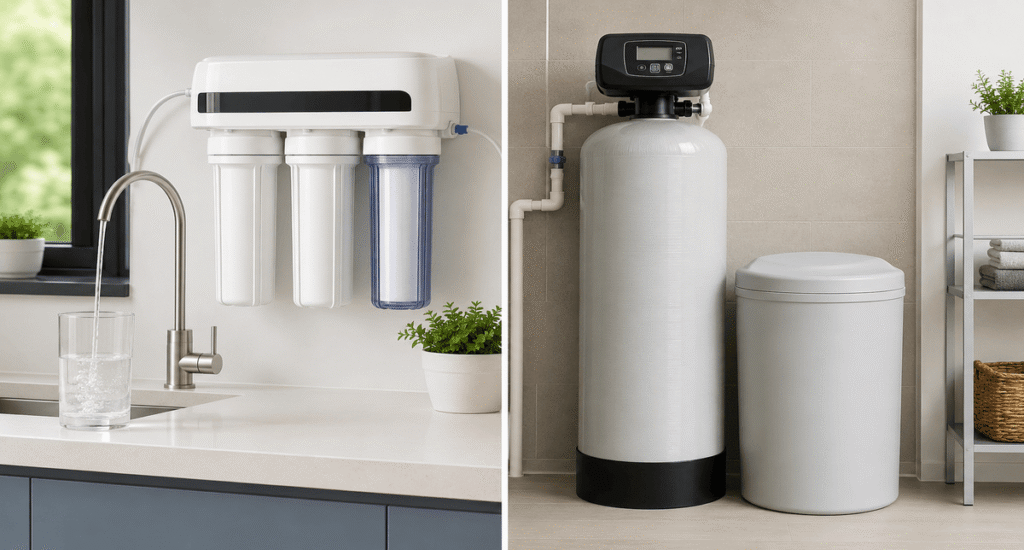
Water is one of the most essential parts of our daily lives. We use it for drinking, cooking, bathing, washing clothes, cleaning utensils, and much more. But not all water is the same. Some water may contain harmful impurities, while some may have excess minerals that cause hardness. This is why many homeowners look for effective water treatment solutions. Two of the most common systems are water purifiers and water softeners. Although both improve water quality, they serve completely different purposes.
At Superior Solar, we help homeowners choose the right water treatment systems based on their specific water conditions. Many customers ask us about water purifier vs water softener and whether they need one or both. The answer depends on your water source, water quality, and the problems you are facing at home. In this detailed guide, we will explain what each system does, how they work, their key differences, and which solution is best for your home.
What Is a Water Purifier?
A water purifier is a system designed to remove harmful contaminants from water and make it safe for drinking and cooking.
Water from municipal supplies, borewells, or tanks may contain:
- Bacteria and viruses
- Dissolved salts
- Heavy metals such as lead and arsenic
- Chlorine
- Pesticides
- Sediments
- Bad taste and odor
A drinking water purifier removes these impurities using advanced filtration technologies.
Common Water Purification Technologies
Reverse Osmosis (RO)
RO removes dissolved salts, heavy metals, and excess Total Dissolved Solids (TDS).
Ultraviolet (UV)
UV technology kills bacteria, viruses, and other microorganisms.
Ultrafiltration (UF)
UF removes suspended particles and microorganisms without requiring electricity.
Activated Carbon Filters
These filters remove chlorine, odor, and improve taste.
Most modern home water purification systems combine multiple technologies to provide clean and safe drinking water.
What Is a Water Softener?
A water softener is designed to remove hardness-causing minerals from water, mainly calcium and magnesium. These minerals are naturally present in groundwater and borewell water. When their concentration is high, the water becomes hard. Hard water is not generally dangerous to drink, but it causes many practical problems in households.
Common Hard Water Problems
- White scale deposits on taps and showerheads
- Reduced efficiency of geysers and water heaters
- Soap and shampoo not lathering properly
- Dry and itchy skin
- Rough hair
- Faded clothes
- Higher detergent consumption
- Blocked plumbing pipes
A water softener solves these issues by converting hard water into soft water.
How Does a Water Softener Work?
Most water softeners use ion exchange technology.
Inside the softener is a resin bed charged with sodium ions. As hard water passes through the resin:
- Calcium ions are removed
- Magnesium ions are removed
- Sodium ions are released into the water
This process reduces hardness and prevents scale formation. The system periodically regenerates using a salt solution, restoring the resin’s effectiveness.
Water Purifier vs Water Softener: What’s the Main Difference?
The simplest way to understand water purifier vs water softener is this:
- A water purifier makes water safe to drink.
- A water softener removes hardness and protects your home.
Quick Comparison Table
|
Feature |
Water Purifier |
Water Softener |
|
Main Purpose |
Removes contaminants |
Removes hard water minerals |
|
Makes Water Safe to Drink |
Yes |
No |
|
Removes Bacteria and Viruses |
Yes |
No |
|
Removes Calcium and Magnesium |
No |
Yes |
|
Reduces TDS |
Yes (RO systems) |
No |
|
Prevents Scale Buildup |
No |
Yes |
|
Protects Appliances |
Limited |
Yes |
|
Used For |
Drinking and cooking |
Whole-house water treatment |
What Problems Does a Water Purifier Solve?
A water purifier addresses health-related concerns by removing contaminants that may affect drinking water quality.
Contaminants Removed by Water Purifiers
- Bacteria
- Viruses
- Heavy metals
- Excess salts
- Chlorine
- Pesticides
- Bad taste and odor
If your concern is safe drinking water, a home water filter or RO purifier is the right solution.
What Problems Does a Water Softener Solve?
A water softener addresses hardness-related problems throughout the home.
Benefits of Soft Water
- Cleaner bathroom fixtures
- Better soap lather
- Softer skin and hair
- Brighter clothes
- Longer appliance lifespan
- Lower maintenance costs
For homes with borewell water, a water softener is one of the most effective hard water treatment solutions.
Why Hard Water Is a Serious Problem
Hard water may seem harmless at first, but over time it can lead to expensive repairs and daily inconvenience.
Scale Formation in Appliances
Minerals form a hard layer inside:
- Geysers
- Washing machines
- Dishwashers
- Coffee machines
This layer reduces heat transfer and forces appliances to consume more electricity.
Plumbing Blockages
Scale buildup narrows pipes and decreases water flow.
Increased Soap Usage
Hard water reacts with soap, making it less effective.
Skin and Hair Problems
Many people experience dryness, irritation, and dull hair when bathing with hard water.
Why Safe Drinking Water Matters
Contaminated water can contain harmful microorganisms and chemicals.
Unsafe water may contribute to:
- Stomach infections
- Diarrhea
- Typhoid
- Heavy metal exposure
- Poor taste and odor
A quality drinking water purifier helps ensure your family receives clean and healthy water every day.
Which Is Better for Borewell Water?
Borewell water often contains:
- High hardness
- High TDS
- Iron
- Sediment
- Microorganisms
In most cases, the ideal solution includes:
- Sediment filter
- Water softener
- Home water purification system
This combination addresses both hardness and drinking water safety.
Do You Need a Water Purifier or Water Softener?
The right choice depends on the issues you face.
Choose a Water Purifier If:
- Drinking water tastes bad
- TDS is high
- You are concerned about contaminants
- Water has odor
- You want safe drinking water
Choose a Water Softener If:
- You see scale deposits
- Soap does not lather well
- Skin feels dry after bathing
- Hair becomes rough
- Appliances develop mineral buildup
Choose Both If:
- Your water is hard and contaminated
- You use borewell water
- You want complete water treatment
Can You Install Both Systems?
Yes. In fact, many homes benefit from using both systems together.
Recommended Installation Setup
- Raw water enters the home.
- Sediment filter removes dirt and sand.
- Water softener removes hardness.
- RO purifier treats kitchen drinking water.
This setup provides:
- Soft water for bathing and washing
- Safe water for drinking and cooking
- Reduced scale buildup
- Better appliance performance
How a Home Water Filtration System Protects Your Home
A complete home water filtration system offers multiple benefits.
Health Benefits
- Removes harmful contaminants
- Improves taste
- Provides safe drinking water
Household Benefits
- Prevents scale buildup
- Reduces plumbing issues
- Protects appliances
Personal Care Benefits
- Softer skin
- Healthier hair
- Better laundry results
Water Purifier vs Water Softener Cost Comparison
Costs vary depending on capacity and technology.
Water Purifier
Typically installed at a single point, usually the kitchen.
Water Softener
Installed at the main water inlet to treat all household water.
Long-Term Savings
A water softener can reduce:
- Appliance repairs
- Energy bills
- Plumbing maintenance
- Cleaning product usage
A purifier reduces dependence on bottled water and provides safer drinking water.
How to Choose the Right System for Your Home
Before purchasing any system, consider:
- Water source
- TDS level
- Hardness level
- Number of family members
- Daily water usage
- Space available for installation
Water testing is the most reliable way to determine the right solution.
Why Water Testing Is Important
Water that looks clean may still contain dissolved impurities and minerals.
Testing identifies:
- TDS
- Hardness
- Iron content
- pH level
- Bacterial contamination
Superior Solar offers professional water testing and customized recommendations.
Why Professional Water Softener Installation Services Matter
Proper installation is essential for performance and durability.
Our water softener installation services include:
- Site inspection
- Water analysis
- Correct system sizing
- Installation
- Testing
- Maintenance support
A professionally installed system works efficiently and requires less troubleshooting.
Why Choose Superior Solar as Your Water Purifier Company?
Selecting an experienced water purifier company ensures better results and reliable service. Superior Solar offers complete water treatment solutions for homes and businesses.
Our Advantages
- Customized recommendations
- Premium-quality systems
- Expert installation
- Competitive pricing
- Prompt service support
- Preventive maintenance
We help you choose the ideal combination of water purifier and water softener for long-term performance.
Common Myths About Water Purifiers and Water Softeners
Myth 1: A Water Purifier Removes Hardness
Most purifiers are designed to improve drinking water quality, not whole-house hardness treatment.
Myth 2: A Water Softener Makes Water Safe to Drink
A softener removes minerals but does not eliminate microorganisms or chemical contaminants.
Myth 3: Only Borewell Water Needs Treatment
Municipal water may still contain chlorine, sediments, and other impurities.
Myth 4: Hard Water Is Harmless
Hard water may not be toxic, but it can cause significant maintenance issues and discomfort.
Signs Your Home Needs a Water Softener
- White stains on faucets
- Scale inside kettles and geysers
- Dry skin after bathing
- Soap scum in bathrooms
- Stiff laundry
- Frequent appliance servicing
Signs Your Home Needs a Water Purifier
- Bad taste or smell
- Cloudy water
- High TDS readings
- Frequent stomach issues
- Visible sediment
- Dependence on bottled water
Conclusion:
Understanding the difference between water purifier vs water softener is essential when choosing the right water treatment system for your home. A water purifier protects your family by removing contaminants and providing safe drinking water. A water softener removes hard water minerals, prevents scale buildup, and extends the life of your plumbing and appliances. If your home uses borewell water or experiences both hardness and contamination, installing both systems is often the best solution.
At Superior Solar, we provide expert guidance, professional water softener installation services, and reliable home water purification systems tailored to your water quality. Contact Superior Solar today to enjoy clean, safe, and soft water throughout your home.
Frequently Asked Questions
1. Does a Water Purifier Remove Hardness?
RO purifiers may reduce some dissolved solids, but they are not designed to replace a dedicated water softener.
2. Can a Water Softener Remove TDS?
No. Water softeners only exchange hardness minerals and do not significantly reduce TDS.
3. Is Soft Water Safe for Bathing?
Yes. Soft water is excellent for bathing and helps improve skin and hair condition.
4. Should I Install Both Systems?
Yes, if your water contains both contaminants and hardness, using both systems provides the best overall solution.
5. How Long Does a Water Softener Last?
With proper maintenance, a high-quality water softener can last 10 to 15 years or more.
6. How Often Should a Water Purifier Be Serviced?
Most purifiers require filter changes and servicing every 6 to 12 months, depending on usage and water quality.