When Should You Replace Your Electric Geyser? A Complete Guide
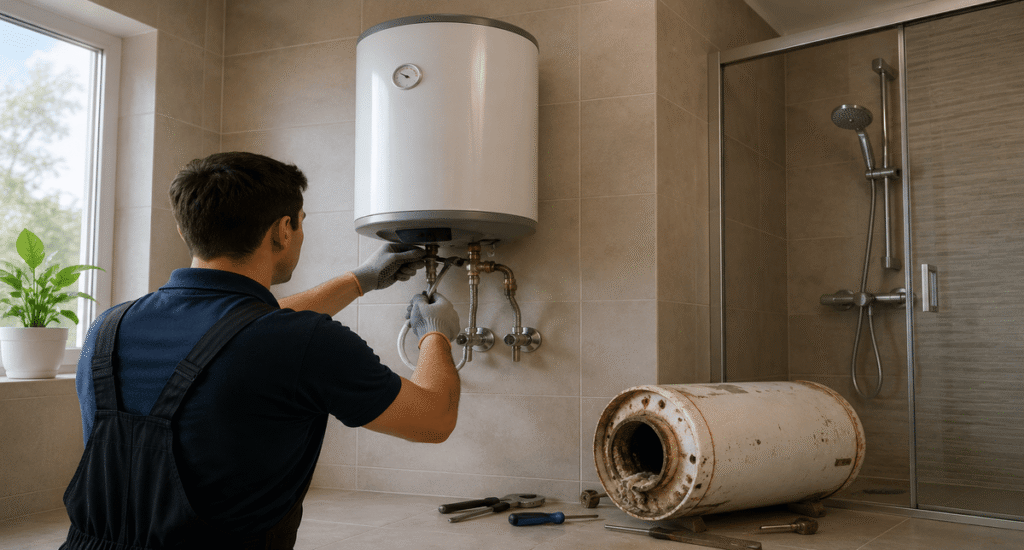
An electric geyser is one of those household appliances that often goes unnoticed until it starts creating problems. As long as hot water is available when needed, most homeowners do not think much about the age, efficiency, or condition of their geyser. However, an ageing water heater can gradually become less efficient, consume more electricity, and develop problems that may affect comfort and safety.
Understanding the geyser lifespan and recognising the warning signs can help homeowners decide whether a repair is enough or whether it is time for a replacement. Superior Solar provides electric geyser solutions designed to offer convenient hot water, energy efficiency, safety, and reliable performance for modern homes.
How long does an electric geyser last?
The geyser lifespan depends on several factors, including the quality of the unit, water quality, frequency of use, maintenance, installation, and the condition of internal components. There is no single replacement date that applies to every geyser.
A well-maintained geyser can continue working for several years, but performance may gradually decline as components such as the heating element, thermostat, tank, valves, and insulation age. Hard water can also contribute to mineral or sediment accumulation, which may affect heating performance and place additional stress on the appliance. Instead of replacing a geyser based only on its age, homeowners should consider its overall condition and operating performance.
What are the signs that an electric geyser needs replacement?
Some geyser problems can be solved through maintenance or component replacement. However, certain warning signs indicate that the appliance may be approaching the end of its useful life.
1. Is the geyser taking too long to heat water?
A noticeable increase in heating time is one of the common signs of an ageing electric geyser. If water that previously became hot quickly now takes much longer, there could be an issue with the heating element, thermostat, sediment buildup, or other internal components. Occasional slow heating may be repairable. But if the problem continues despite servicing, replacing the geyser may provide better long-term value.
2. Is the hot water temperature inconsistent?
A properly functioning geyser should provide water at a reasonably consistent temperature according to its settings. If the water repeatedly becomes too hot, remains lukewarm, or changes temperature unexpectedly, the thermostat or heating system may not be working correctly. For an older geyser with repeated temperature problems, replacement can be more practical than continuing to repair individual components.
3. Is your geyser leaking?
Water leakage should never be ignored. A small amount of water around a connection may sometimes be related to a fitting or valve, but leakage from the main tank can indicate corrosion or structural deterioration.
If the tank itself is damaged or corroded, replacing the geyser is generally a more sensible option than attempting temporary fixes. Continued leakage can also cause damage to surrounding walls, ceilings, flooring, or electrical components.
4. Are your electricity bills increasing?
An old or poorly performing water heater may require more energy to deliver the same amount of hot water. If electricity consumption has increased without a major change in household usage, the geyser could be one of the appliances worth checking.
Newer, energy-efficient models can offer improved insulation and heating performance. When choosing a replacement, checking the energy-efficiency information on the product label can help consumers compare similar water heaters. The Bureau of Energy Efficiency’s Standards & Labelling programme provides energy-performance information to help consumers make informed appliance choices.
5. Does the geyser make unusual noises?
Popping, cracking, rumbling, or other unusual sounds can sometimes occur because of sediment or mineral deposits inside the tank. A qualified technician can determine whether cleaning or component replacement can solve the issue.
If unusual noises are accompanied by poor heating, leakage, or frequent breakdowns, the condition of the entire unit should be evaluated rather than treating each symptom separately.
6. Is the geyser requiring frequent repairs?
One repair does not necessarily mean that a geyser needs to be replaced. However, repeated breakdowns can be a sign that the appliance is becoming unreliable.
When repair costs continue to accumulate, it is useful to compare the cost of another repair with the price and expected benefits of a new unit. For an older geyser that regularly requires attention, replacement may be the more economical long-term decision.
When is repairing a geyser better than replacing it?
Not every geyser problem requires a new appliance. Some issues may be relatively simple to resolve, particularly when the tank and main structure remain in good condition. For example, professional servicing may help when the problem is associated with a heating element, thermostat, valve, wiring connection, or accumulated deposits. The right solution depends on the exact fault and the condition of the appliance.
Repair may be worth considering when:
- The geyser is relatively new.
- The tank is not leaking or severely corroded.
- The problem is limited to a replaceable component.
- Repair costs are reasonable compared with replacement.
- The appliance has otherwise been performing reliably.
A qualified technician should inspect the unit before making a final decision.
When should you replace an old geyser?
Replacement becomes more attractive when several problems appear together. For example, an old geyser that heats slowly, consumes more electricity, leaks, and requires frequent repairs may no longer be economical to maintain.
The decision should consider more than the purchase price of a new appliance. Energy consumption, repair expenses, reliability, safety features, warranty, household requirements, and expected usage should all be considered. In other words, an old geyser does not necessarily need to be replaced simply because it has reached a certain age. Its geyser lifespan should be evaluated alongside its current performance and maintenance history.
Can an energy-efficient electric geyser reduce electricity consumption?
An electric geyser is a high-use appliance in many homes, so its energy efficiency can influence household electricity consumption. Factors such as tank insulation, heating technology, thermostat operation, capacity, usage habits, and the product’s energy rating can all affect running costs.
The Bureau of Energy Efficiency explains that energy labels help consumers compare the energy performance of similar appliances and consider potential running costs when making purchasing decisions. When replacing an old geyser, choosing an appropriately sized and energy-efficient model can therefore be more beneficial than simply selecting the cheapest available option.
What should you consider when buying a replacement geyser?
Replacing a geyser is an opportunity to choose a model that better matches the household’s requirements. Capacity is one of the first factors to consider. A small household may not require the same capacity as a larger family using hot water simultaneously.
Other factors include:
Capacity: Select a capacity based on the number of users and typical hot-water requirements.
Energy efficiency: Compare available energy-efficiency information and operating characteristics.
Safety features: Look for appropriate safety mechanisms such as thermostatic controls, automatic cut-off, and pressure protection.
Tank and material quality: The internal tank and components should be suitable for the water conditions and expected usage.
Installation: Correct installation is important for safe and reliable operation.
Warranty and service: A reliable warranty and accessible after-sales support can make ownership easier over the long term.
Superior Solar’s electric geyser range includes different capacities and configurations for household requirements. Its product range includes 1-litre, 3-litre, 15-litre, and 25-litre options, allowing homeowners to consider different hot-water needs.
Why is proper electric geyser installation important?
Even a high-quality geyser needs proper installation to operate safely and efficiently. Incorrect electrical connections, unsuitable mounting, poor plumbing connections, or improper pressure protection can affect performance and safety.
Installation should therefore be handled by qualified professionals who can check the electrical and plumbing requirements and ensure that the geyser is positioned correctly.
How can you extend the geyser lifespan?
Replacement is not the only way to improve geyser performance. Proper maintenance can help extend the useful life of an appliance and identify developing problems earlier.
Homeowners can follow a few basic practices:
- Get the geyser inspected when performance changes.
- Do not ignore unusual sounds or water leakage.
- Check for signs of corrosion.
- Ensure electrical connections remain safe and properly maintained.
- Have components such as heating elements and valves checked when necessary.
- Follow the manufacturer’s maintenance recommendations.
- Avoid selecting a capacity that does not match household requirements.
Regular professional maintenance is particularly useful in areas where water quality can contribute to mineral buildup and corrosion.
Is it better to replace an old geyser or switch to solar water heating?
For homeowners who are replacing an old geyser, it can also be worth considering whether a solar water heater would suit the property. An electric geyser uses electricity to heat water, while a solar water heater uses solar energy as its primary heat source. The suitability of a solar system depends on factors such as roof or terrace space, household hot-water requirements, sunlight availability, building configuration, and installation conditions.
For homes in Bangalore and other parts of Karnataka, Superior Solar offers solar water heating solutions in several capacities. Its range includes 110-litre through 510-litre systems. This can be a useful consideration for homeowners who are already planning a major water-heating upgrade rather than simply replacing an old electric unit with another one.
When should you replace your electric geyser?
The right time to replace an electric geyser is usually when its performance, reliability, efficiency, or safety has significantly declined. A single minor fault does not automatically mean that a new geyser is necessary. However, persistent leakage, repeated breakdowns, poor heating, inconsistent temperatures, unusual noises, rising energy consumption, or extensive corrosion can all indicate that replacement deserves serious consideration.
The key is to evaluate the complete condition of the appliance instead of focusing only on its age. A professional inspection can help determine whether repair is practical or whether purchasing a new water heater would provide better value.
For homeowners looking for an electric geyser in Bangalore, Superior Solar offers multiple electric geyser options designed for different household requirements. Its electric geyser range can be explored through the Superior Solar electric geyser page. For customers considering a wider water-heating upgrade, the Superior Solar product range includes electric geysers as well as solar water heating solutions.
Conclusion:
An electric geyser is an important part of everyday home comfort, but like any appliance, it does not last forever. Understanding the geyser lifespan and paying attention to warning signs such as leakage, slow heating, unusual noises, inconsistent temperatures, rising energy consumption, and repeated repairs can help homeowners make a timely decision.
When repair is no longer economical or the appliance has become unreliable, replacing the old geyser with a suitable, energy-efficient model can improve convenience and performance. Homeowners can also consider whether a solar water heating system would be a suitable long-term alternative. With its range of electric geysers and water-heating solutions, Superior Solar helps homeowners choose solutions according to their hot-water requirements. For more information, homeowners can explore the Superior Solar electric geyser range or visit the Superior Solar website.
Frequently Asked Questions
1. How often should an electric geyser be replaced?
There is no universal replacement period for every geyser. The actual geyser lifespan depends on product quality, water conditions, usage, maintenance, installation, and component condition. Frequent failures, leakage, poor heating, and corrosion are stronger indicators that replacement may be necessary.
2. How do I know if my geyser is failing?
Common warning signs include slow heating, inconsistent water temperature, unusual noises, leakage, corrosion, increasing electricity consumption, and frequent repairs. If several of these occur together, the geyser should be professionally inspected.
3. Is it worth repairing an old electric geyser?
Repair can be worthwhile when the problem is limited to a replaceable component and the tank remains in good condition. However, if an old geyser has multiple problems or requires frequent repairs, replacing it may provide better long-term value.
4. Does a bigger geyser use more electricity?
A larger tank can require more energy to heat and maintain a larger volume of water, although actual consumption depends on usage, temperature settings, insulation, efficiency, and other factors. Choosing an appropriately sized geyser is therefore important.
5. What size electric geyser is suitable for a family?
The appropriate capacity depends on the number of users, bathing habits, number of bathrooms, and how hot water is used. Smaller capacities may suit limited requirements, while larger households may benefit from higher-capacity storage geysers.
6. Can regular maintenance increase geyser lifespan?
Regular inspection and maintenance can help identify problems early and keep components working properly. It cannot prevent every failure, but it can help support reliable performance and potentially extend the useful service life of the appliance.