Community Solar: How It Is Changing Access to Clean Energy and Solar Power
Community solar is transforming the way people access clean energy and solar power. Unlike traditional rooftop solar panels, this model allows multiple households and businesses to benefit from a shared solar system. As the demand for renewable energy increases worldwide, community solar is emerging as a practical and affordable solution.
This approach makes solar electricity more inclusive, helping more communities transition toward sustainable energy sources.
What Is Community Solar?
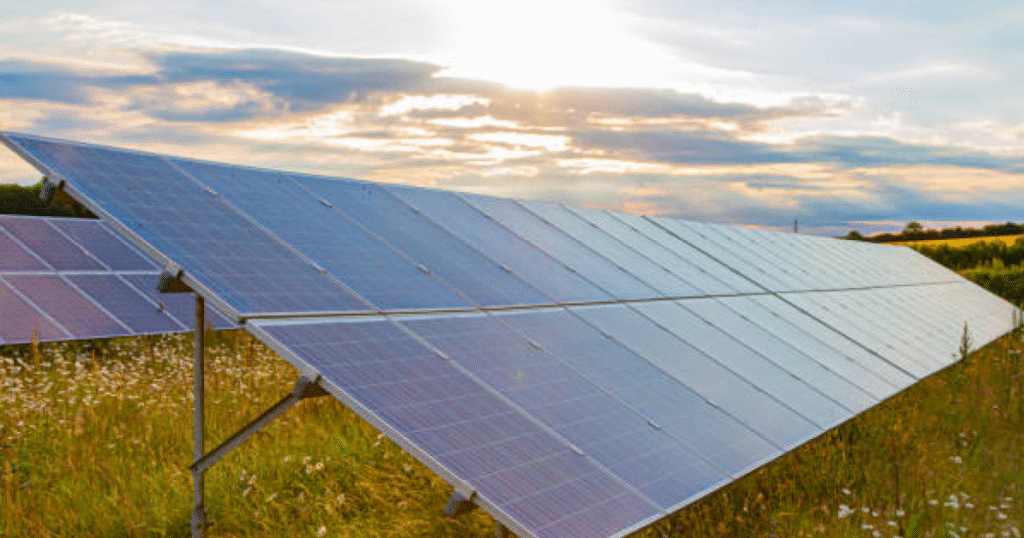
Community solar is a shared solar energy system where multiple participants subscribe to a portion of a larger solar farm. The electricity generated from the solar panels is sent to the grid, and subscribers receive credits on their utility bills.
This system removes common barriers to adopting solar power, such as:
- High installation costs
- Roof limitations
- Rental housing restrictions
- Shaded properties
By sharing resources, community solar expands access to clean energy without requiring individual installation.
How Community Solar Works?
The process is simple:
- A large-scale solar farm is installed in a local area.
- Individuals subscribe to a share of the solar panels.
- The system produces solar electricity and feeds it into the power grid.
- Subscribers receive credits on their electricity bills.
Many programs operate through a system called virtual net metering, which allows customers to receive financial benefits from energy generated at another location. Community solar helps increase participation in renewable energy systems without physical ownership of solar panels.
Benefits of Community Solar for Clean Energy Access
- Wider Access to Solar Energy
Community solar allows renters and homeowners to benefit from solar energy, even without installing rooftop systems.
- Lower Energy Costs
Subscribers often receive discounted electricity rates compared to traditional power sources.
- Supports Renewable Energy Growth
Shared projects increase the production of renewable energy, reducing dependence on fossil fuels.
- Environmentally Sustainable
Solar power reduces greenhouse gas emissions and promotes sustainable energy use.
- No Maintenance Responsibility
Participants do not need to maintain or repair solar panels.
Community Solar vs Rooftop Solar Panels
Both systems promote clean energy, but they differ in structure and accessibility.
Community Solar | Rooftop Solar |
Shared solar farm | Individual rooftop installation |
No upfront installation cost | High initial investment |
Ideal for renters | Limited to property owners |
Flexible subscription | Long-term ownership |
Community solar increases participation in solar electricity by removing installation barriers.
Why Renewable Energy Matters?
The global energy shift toward renewable energy is essential for long-term sustainability. Solar energy is:
- Abundant
- Environmentally friendly
- Scalable
- Cost-effective over time
As more communities adopt shared systems, access to sustainable energy continues to expand.
The Future of Community Solar
Community solar programs are growing due to policy support, technological advancements, and increased demand for clean energy solutions.
Future trends include:
- Expansion into more regions
- Greater affordability
- Increased participation from low-income communities
- Stronger integration into national renewable energy strategies
Community solar plays an important role in democratizing access to solar power and accelerating the transition to renewable energy.
Frequently Asked Questions
1. What is community solar?
Community solar is a shared solar energy system where multiple participants subscribe to a portion of a solar farm and receive electricity bill credits.
2. Is community solar worth it?
Many participants save money on electricity bills while supporting clean energy production.
3. Who can join a community solar program?
Homeowners, renters, businesses, and organizations can typically participate.
4. How does community solar help renewable energy?
It increases solar energy adoption and reduces reliance on fossil fuels.
5. What is the difference between community solar and solar panels?
Community solar uses a shared system, while solar panels are installed individually on rooftops.