
Electric Geyser Safety: Tips Every Household Should Follow
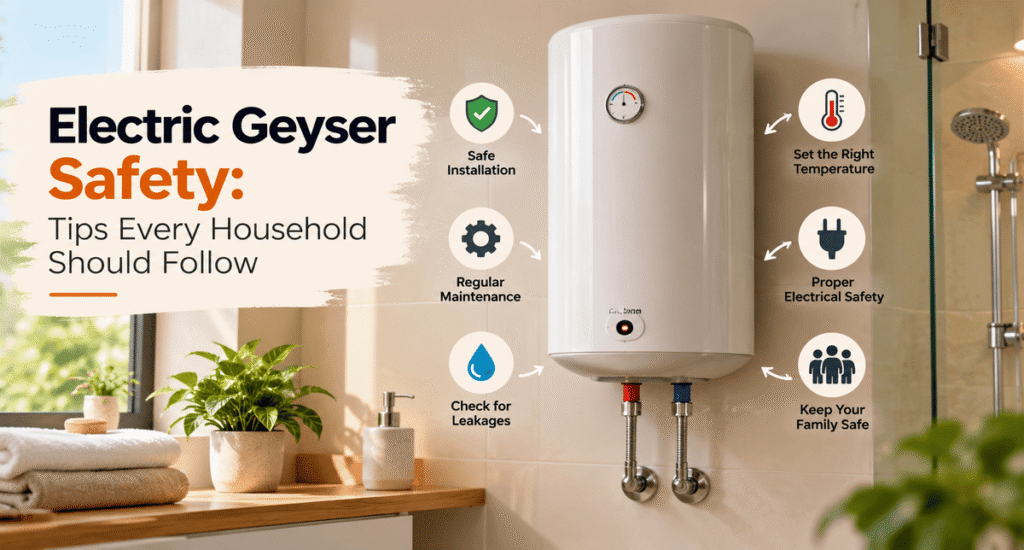
Electric geysers are convenient appliances that provide hot water for bathing, cleaning, and other household needs. However, improper use, faulty wiring, poor installation, or a lack of maintenance can create safety risks. Following essential electric geyser safety practices helps households enjoy hot water while reducing the risk of electric shocks, burns, water leakage, and equipment damage.
For homeowners, understanding electric water heater safety starts with choosing the right appliance, ensuring professional installation, and using it correctly every day. Whether you are installing a new water heater or using an existing one, a few simple precautions can make a significant difference. Superior Solar Company offers water heating solutions for households, making it important for customers to understand safe installation, operation, and maintenance practices before choosing an appliance.
Why Is Electric Geyser Safety Important?
An electric geyser combines electricity, water, and heat. If any part of the appliance or its electrical connection develops a fault, it can become hazardous. Common problems include damaged wiring, faulty thermostats, excessive water pressure, and worn-out safety components. Regular inspections and correct usage help identify these issues before they become serious.
Following electric geyser safety guidelines can help you:
- Reduce the risk of electric shock and electrical faults.
- Prevent accidental burns from excessively hot water.
- Identify leaks and unusual appliance behaviour early.
- Improve the reliability and lifespan of the geyser.
- Maintain a safer bathroom environment for children and older adults.
Safety should be considered before purchasing a geyser, during installation, and throughout its working life.
How Can You Use an Electric Geyser Safely?
Everyday habits play an important role in preventing accidents. Always follow the manufacturer’s instructions and avoid operating the appliance if you notice signs of damage.
1. Switch Off the Geyser After Use
Avoid leaving the geyser switched on unnecessarily. Switch it off after the water reaches the required temperature, especially if the appliance does not have an automatic control system or if its controls are not working correctly.
Many modern geysers have thermostats that regulate water temperature and automatically stop heating when the set temperature is reached. However, this feature does not replace safe usage or regular maintenance.
2. Check the Water Temperature
Water heated to a very high temperature can cause scalding, particularly in households with young children and older adults. Set the thermostat according to the manufacturer’s recommendations and your household’s needs. Before bathing, check the water temperature carefully. If your geyser consistently produces excessively hot water, have the thermostat checked by a qualified technician rather than attempting to repair it yourself.
3. Keep Switches and Electrical Connections Dry
Water and electricity can be a dangerous combination. Keep switches, sockets, plugs, and other electrical connections away from direct water contact. Never operate electrical switches with wet hands. If water reaches an electrical outlet or the geyser’s electrical connection, avoid touching the affected area and arrange for a qualified electrician to inspect it.
4. Watch for Unusual Sounds or Smells
A geyser may produce some normal operating sounds, but unusual buzzing, burning smells, repeated tripping of the circuit breaker, or visible sparks should never be ignored.
If you notice these warning signs, stop using the appliance. Isolate the power supply only if you can do so safely, without touching wet or damaged electrical components. Contact a qualified technician to investigate the problem.
What Should You Check Before Buying an Electric Geyser?
Choosing the best electric geyser for home use involves more than comparing prices, appearance, or heating capacity. The appliance should suit your household’s hot-water requirements and have appropriate safety features.
Before purchasing a geyser, consider the following factors.
Safety Features
Look for a model with appropriate safety features specified by the manufacturer, such as:
- Thermostat: Regulates the water temperature and helps prevent overheating.
- Thermal cut-out: Helps interrupt heating if the temperature exceeds a specified limit.
- Pressure relief valve: Releases excess pressure when necessary, where applicable to the appliance design.
- Suitable electrical protection: The installation should have appropriate earthing and circuit protection.
- Quality construction: A suitable tank, insulation, and corrosion protection can support durability.
Confirm which features are included in the particular model. Safety features differ between products, so review the product documentation before buying.
Choose the Right Capacity
The appropriate geyser capacity depends on the number of users, bathing habits, water usage, and the type of bathroom fittings. Consider your actual needs and consult the manufacturer’s recommendations before selecting a model.
Check the Warranty and Service Support
A clear warranty and access to authorised service can make maintenance easier. Before buying, review the warranty coverage for the tank, heating element, and other components. Also check whether installation guidance and after-sales support are available for your location. Superior Solar Company provides water heating solutions for customers considering household hot-water systems. Compare the specifications of available models and select one that matches your needs and installation conditions.
Why Is Professional Electric Geyser Installation Necessary?
Correct electric geyser installation is essential for safe operation. Even a well-designed appliance can become dangerous if it is connected incorrectly, mounted poorly, or installed without suitable electrical protection. A qualified installer can assess the mounting surface, plumbing connections, electrical supply, and manufacturer’s installation requirements.
Check the Electrical Supply
The electrical circuit must be suitable for the geyser’s power rating. A qualified electrician should verify the wiring, earthing, circuit breaker, and any required residual-current protection in accordance with applicable electrical standards. Avoid using undersized wires, unsuitable extension cords, or improvised connections. These can increase the risk of overheating and electrical faults.
Ensure Proper Plumbing Connections
The inlet, outlet, and pressure-relief arrangements must follow the manufacturer’s instructions. The pressure relief valve should not be blocked or altered, and its discharge arrangement must be installed as specified. Do not cap a pressure-relief outlet to stop dripping. If the valve leaks continuously or appears damaged, have it inspected by a qualified professional.
Install the Geyser in a Suitable Location
The appliance should be securely mounted and positioned according to the manufacturer’s requirements. The location must provide suitable access for maintenance while reducing exposure of electrical components to water.
The installer should also check that the wall or support can carry the appliance’s weight when the tank is full.
Test the Appliance Before Regular Use
After installation, the technician should check for plumbing leaks, correct electrical operation, and proper functioning of the required safety controls. For storage water heaters, the tank generally needs to be filled and the air purged according to the manufacturer’s instructions before power is switched on. Energising a heating element in an empty tank can damage it.
Never attempt electrical installation or internal repairs unless you are qualified to do so.
How Often Should You Maintain an Electric Geyser?
Routine maintenance helps keep an electric geyser working safely and efficiently. The inspection schedule depends on the appliance, water quality, usage, and manufacturer’s recommendations. You can watch for visible issues between professional inspections, but internal electrical or pressure-related components should be checked by a qualified technician.
Look for Water Leakage
Inspect the area around the geyser, inlet and outlet pipes, and visible connections for signs of moisture or dripping. A small leak should not be ignored because it may indicate a loose connection, worn seal, corrosion, or another fault. If water reaches electrical components, stop using the appliance and seek professional assistance.
Check the Power Cord and Switch
Look for visible damage, discolouration, loose fittings, or signs of overheating around accessible electrical connections. Do not open the casing or touch exposed wires. If the circuit breaker trips repeatedly, do not keep resetting it. A qualified electrician should identify the underlying cause.
Arrange Periodic Professional Servicing
Depending on the model and local water conditions, servicing may include checking the thermostat, heating element, pressure-relief valve, electrical connections, and signs of scale or corrosion. Hard water can contribute to mineral deposits inside a water heater. A technician can determine whether cleaning or other maintenance is necessary for your particular model.
Always follow the manufacturer’s recommended maintenance intervals rather than relying on a single schedule for every geyser.
What Electric Geyser Safety Mistakes Should You Avoid?
Some common habits can increase the risk of appliance damage or household accidents.
Avoid these mistakes:
- Ignoring electrical faults: Burning smells, sparks, and repeated circuit-breaker trips require professional inspection.
- Using damaged wiring: Frayed cords and loose connections should be repaired by a qualified electrician.
- Blocking the pressure-relief valve: This can interfere with an important safety mechanism.
- Attempting DIY repairs: Opening the appliance or working on live electrical connections can cause serious injury.
- Ignoring leaks: Leaking pipes or tanks may indicate a problem that needs prompt attention.
- Overlooking the manufacturer’s instructions: Installation, operating temperatures, and maintenance requirements vary by model.
- Allowing children to operate the appliance unsupervised: Keep children away from electrical controls and teach them not to touch the geyser or its switches with wet hands.
Avoiding these mistakes supports safer operation and can help prevent expensive repairs.
Is an Electric Geyser Safe for Bathrooms?
An electric geyser can be used safely in a bathroom when the appliance is suitable for the installation location and is installed according to the manufacturer’s instructions and applicable electrical standards. The level of protection required depends on the bathroom layout, the appliance’s location, and local regulations.
Keep these precautions in mind:
- Have the geyser installed by a qualified professional.
- Ensure suitable earthing and electrical protection.
- Keep switches and electrical connections away from direct water contact.
- Do not touch the geyser’s electrical controls with wet hands.
- Arrange immediate inspection if you notice tingling sensations, sparks, burning smells, or electrical tripping.
If you suspect an electrical fault, stop using the appliance and seek professional help. Do not continue using it simply because it still heats water.
What Should You Do If Your Electric Geyser Develops a Fault?
Knowing how to respond to a fault is an important part of electric water heater safety. If the geyser stops heating, leaks, trips the circuit breaker, or produces unusual smells or sounds, avoid repeatedly switching it on to see whether the problem disappears.
Follow these steps:
- Stop using the geyser.
- If it is safe to do so, isolate the electrical supply without touching wet or damaged components.
- Keep children and other household members away from the appliance.
- Contact a qualified electrician or authorised service technician.
- Resume use only after the fault has been assessed and the appliance is considered safe.
If there is smoke, fire, or an immediate electrical danger, keep away from the affected area and contact the appropriate emergency services. Do not remove the casing, bypass safety devices, or attempt to repair internal electrical components yourself.
Conclusion
Following practical electric geyser safety measures helps protect your household, improve appliance reliability, and reduce the risk of avoidable accidents. Choose a suitable model, ensure professional electric geyser installation, keep electrical connections dry, check for warning signs, and arrange maintenance according to the manufacturer’s recommendations.
When choosing a household water heating solution, compare capacity, safety features, warranty coverage, and service support rather than focusing on price alone. Superior Solar Company offers water heating solutions to help customers meet their household hot-water needs. By combining an appropriate product with safe installation and responsible use, you can enjoy convenient hot water while keeping safety a priority.
Frequently Asked Questions
1. Is it safe to leave an electric geyser switched on?
Many modern geysers have thermostats that regulate heating, but leaving a geyser switched on unnecessarily is not ideal in every situation. Follow the manufacturer’s instructions, use the appliance’s controls correctly, and have faulty thermostats or safety components repaired promptly.
2. How can I prevent electric shocks from a geyser?
Use professional installation, suitable earthing, and appropriate circuit protection. Keep electrical connections dry and never operate switches with wet hands. If you feel a tingling sensation when touching a tap, shower, or appliance, stop using the geyser and seek urgent professional inspection.
3. What safety features should the best electric geyser for home use have?
Look for appropriate temperature control, overheating protection, and pressure relief arrangements where required by the model. The installation must also include suitable electrical protection. Check the manufacturer’s specifications instead of assuming every geyser includes the same features.
4. How often should an electric geyser be serviced?
Follow the manufacturer’s maintenance schedule. The appropriate frequency depends on the model, water quality, and usage. Arrange an inspection sooner if you notice leaks, unusual noises, inconsistent heating, or electrical problems.
5. Why does my electric geyser keep tripping the circuit breaker?
Repeated tripping may indicate an electrical fault, a damaged heating element, moisture ingress, or another problem. Stop using the geyser and arrange an inspection by a qualified electrician. Do not repeatedly reset the breaker or bypass the protection.
6. Can a leaking electric geyser still be used?
It is not advisable to continue using a leaking geyser without identifying the cause. A leak may come from a connection, valve, seal, or tank. If water is near electrical components, avoid touching the appliance and have the supply isolated safely by a qualified professional.