7 Common Gas Stove Problems and How to Fix Them Safely
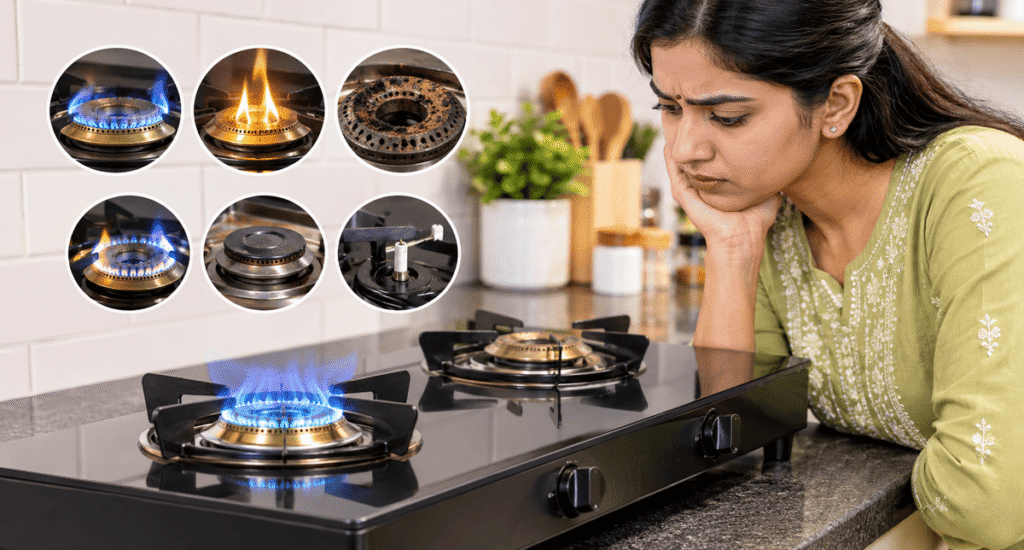
A gas stove is one of the most frequently used appliances in an Indian kitchen. From preparing everyday meals to cooking for the entire family, it needs to provide a steady flame and consistent heat. However, problems such as low flame, uneven heating, burner blockage, and ignition difficulties can affect cooking performance. Understanding common gas stove problems can help you identify minor issues and know when professional assistance is needed.
Superior Solar offers kitchen appliances designed to make everyday cooking more convenient. Its 2-burner gas cooktop features brass burners, a toughened glass finish, and automatic ignition. Whether you already use a gas stove or are planning to purchase a new one, knowing the basics of gas stove troubleshooting can help you maintain your appliance and use it safely.
Why Do Gas Stove Problems Occur?
A gas stove works by combining fuel and air to produce a controlled flame. When the burner becomes dirty, its components are not positioned correctly, or the gas supply is affected, the flame may not perform as expected. Some gas stove problems develop gradually because of regular cooking, oil splashes, food particles, and grease accumulation. Others may be related to the gas supply, regulator, or internal components.
Here are some common reasons behind gas stove performance issues:
Food particles blocking the burner openings.
Grease and oil accumulating around the burner.
Burner caps not positioned correctly.
Problems with the gas supply or regulator.
Damaged or worn-out stove components.
Moisture remaining around the burner after cleaning.
Identifying the possible reason is the first step towards understanding the right solution.
1. Why Is Your Gas Stove Flame Too Low?
A low flame is one of the most common gas stove problems in Indian households. When the flame becomes weak, cooking takes longer, and even simple tasks such as boiling water can become inconvenient.
Possible reasons:
Blocked burner openings caused by food residue.
Dirt or grease around the burner.
An issue with the LPG supply.
A problem with the regulator or gas connection.
Incorrect positioning of removable burner components.
What should you do?
First, turn off the gas supply and allow the stove to cool completely. If the manufacturer permits it, remove the detachable burner components and clean them using warm water and mild soap. Allow every cleaned component to dry completely before placing it back in its correct position. Check whether the burner cap sits properly on the burner base. If the flame remains weak, avoid adjusting the gas pressure or regulator yourself. Contact an authorised gas service professional to inspect the supply and appliance.
2. Why Is Your Gas Stove Heating Unevenly?
Uneven heating is another issue that can affect everyday cooking. You may notice that food cooks faster on one side of the pan while the other side remains undercooked. This usually happens when the burner does not distribute the flame evenly.
Common causes include:
Clogged burner ports.
Grease or food particles around the burner openings.
A burner cap that is not correctly aligned.
Damaged or incorrectly fitted burner components.
Cookware that is not suitable for the burner size.
How can you address it?
Start by checking whether the cookware is placed properly over the burner. Use a flat-bottomed pan that sits evenly on the stove. After switching off the gas and allowing the appliance to cool, check the removable burner components. Clean them according to the manufacturer’s instructions and ensure that they are completely dry before reinstalling. If the flame continues to burn unevenly, arrange a professional inspection.
3. Why Is Your Gas Stove Flame Yellow or Orange?
A healthy gas burner generally produces a steady blue flame. If you notice a persistent yellow or orange flame, it may indicate incomplete combustion or a problem with the burner. This issue should not be ignored because incomplete combustion can produce carbon monoxide.
Possible reasons:
Dirty or blocked burner openings.
Incorrectly positioned burner components.
Insufficient air supply for proper combustion.
A problem with the gas supply or appliance.
What should you do?
Turn off the burner and allow it to cool. If the manufacturer recommends it, clean the removable burner components and check their alignment. Do not continue using the stove if the flame remains yellow or orange, produces soot, or behaves unusually. Arrange an inspection by a qualified technician before using it again. Never attempt to modify the air intake, gas nozzle, or internal burner settings yourself.
4. Why Is Your Gas Stove Burner Getting Blocked?
Burner blockage is a common reason behind poor flame performance. During regular cooking, oil, milk, food particles, and other residues can collect around the burner openings. Over time, this buildup can affect the way gas flows through the burner and lead to a weak or uneven flame.
Signs of a blocked burner:
Flame coming out unevenly.
One side of the burner producing less flame.
Difficulty maintaining a steady flame.
Cooking taking longer than usual.
How to maintain a clean burner:
Turn off the gas supply and wait until the stove cools completely.
Remove detachable burner parts only if the product instructions allow it.
Clean the removable parts with warm water and mild soap.
Use a soft brush to remove loose dirt and grease.
Rinse and dry all components completely.
Reinstall the burner parts according to the manufacturer’s instructions.
Avoid using sharp metal objects, needles, or pins to enlarge or clear burner openings. This can damage the burner and affect its performance. Regular gas stove cleaning helps prevent residue buildup and supports consistent cooking performance.
5. Why Is Your Gas Stove Not Igniting?
An ignition problem can make cooking difficult, particularly when you need to prepare meals quickly. Sometimes the burner does not produce a spark, while in other cases, the spark is present but the flame does not start.
Possible reasons:
Moisture around the ignition area after cleaning.
Dirt or food residue near the ignition electrode.
A depleted ignition battery in models that use batteries.
A faulty ignition component.
An issue with the gas supply.
What can you check?
If the stove has recently been cleaned, switch it off and allow the ignition area to dry completely. Check the user manual for model-specific instructions. If your model uses a replaceable battery, check whether it needs replacement according to the manufacturer’s instructions. If the ignition still does not work, arrange professional assistance. Do not open the ignition assembly or attempt electrical repairs yourself.
6. Why Does Your Gas Stove Flame Keep Going Out?
A burner that lights but switches off unexpectedly can interrupt cooking and indicate an underlying problem.
Some possible causes include:
Blocked burner openings.
Burner components that are not fitted correctly.
Moisture around the burner.
A problem with the gas supply.
A faulty safety or control component.
Turn off the burner if the flame goes out unexpectedly. Do not repeatedly release gas while attempting to relight it. Allow the appliance to cool and check the removable burner components only as instructed in the user manual. If the problem continues, contact a qualified service technician. Never hold down, bypass, or modify a safety mechanism to keep the flame burning.
7. Why Does Your Gas Stove Take Longer to Cook?
If cooking is taking longer than usual, the burner may not be producing the expected heat. A weak flame, uneven heat distribution, or an unsuitable cooking vessel can affect cooking time.
Some common reasons include:
Low or inconsistent burner flame.
Partially blocked burner openings.
Incorrectly positioned burner components.
Using oversized cookware on a small burner.
Using cookware with an uneven or damaged base.
Simple ways to improve cooking performance:
Choose cookware that matches the burner size.
Keep the bottom of your cookware clean.
Use flat-bottomed vessels whenever suitable.
Keep removable burner components clean and correctly positioned.
Check the flame for unusual changes.
A properly maintained gas stove helps support consistent cooking and reduces unnecessary delays in the kitchen.
How Can You Prevent Common Gas Stove Problems?
Regular maintenance is important for keeping a gas stove in good working condition. A few simple habits can help prevent common issues before they become more serious.
1. Clean the stove regularly
Remove food spills and grease from the stove surface after it has cooled. Clean removable burner parts according to the product manual.
2. Keep burner components properly positioned
After cleaning, ensure that the burner caps and other removable parts are fitted correctly. Incorrect positioning can affect flame distribution.
3. Check the gas hose
Look for visible cracks, cuts, or signs of damage. Use an approved hose and arrange replacement or inspection when required.
4. Avoid overflowing food
Spilled milk, oil, and other liquids can enter the burner openings. Using suitable cookware and controlling the flame can help prevent spills.
5. Follow the manufacturer’s instructions
Different gas stove models may have different cleaning and maintenance requirements. Always follow the instructions provided with your appliance.
6. Arrange professional servicing
If you notice repeated ignition problems, unusual flames, or inconsistent gas flow, contact an authorised technician instead of attempting internal repairs.
What Should You Look for When Choosing a New Gas Stove?
If your existing appliance has repeated performance problems or requires replacement, choosing a suitable gas stove becomes important.
Before purchasing a new kitchen gas stove, consider the following factors:
Burner quality: Choose a model with suitable burners for your everyday cooking requirements.
Heat distribution: Look for a design that supports consistent flame distribution.
Material and finish: Consider a durable surface that is convenient to clean and maintain.
Ignition system: Choose between manual and automatic ignition based on your preference.
Number of burners: Select a two-burner, three-burner, or other suitable configuration depending on your household’s cooking needs.
Maintenance requirements: Check the cleaning instructions and availability of authorised service support.
The right gas stove should offer convenience, practical features, and suitability for your kitchen.
Explore the Superior Solar 2-Burner Gas Cooktop
When choosing a gas stove for everyday cooking, it is important to consider burner quality, surface material, and ease of use. Superior Solar offers a 2-burner gas cooktop designed for convenient everyday cooking. Its product features include:
Two medium-sized brass burners.
A black toughened glass finish.
Automatic ignition for convenient operation.
A design suited to everyday kitchen use.
The brass burners support efficient and consistent heat distribution, while the toughened glass surface provides a stylish appearance and makes routine surface cleaning convenient. If you are planning to upgrade your kitchen appliance, explore the Superior Solar 2-Burner Gas Stove to learn more about its features. Choosing a suitable gas stove and following proper maintenance practices can make everyday cooking more convenient.
Conclusion
A well maintained gas stove plays an important role in making everyday cooking easier. Problems such as low flame, uneven heating, blocked burners, and ignition difficulties can affect performance, but understanding their possible causes helps you identify when basic cleaning is appropriate and when professional assistance is necessary. Regular cleaning, correct burner positioning, and following the manufacturer’s safety instructions can help maintain your kitchen appliance. Avoid attempting gas pressure adjustments or internal repairs without professional support.
If you are looking for a suitable kitchen appliance, Superior Solar offers a 2-burner gas cooktop with brass burners, a toughened glass finish, and automatic ignition. Explore its gas stove range and choose an option that suits your everyday cooking requirements.
Frequently Asked Questions
1. Why is my gas stove flame low even when the cylinder is full?
A low flame may result from blocked burner openings, an issue with the regulator, or a problem with the gas supply. If cleaning the removable burner components does not help, contact a qualified technician.
2. How do I fix a gas stove with an uneven flame?
Switch off the gas and allow the stove to cool. Check whether the removable burner components are clean, dry, and correctly positioned. If the flame remains uneven, arrange a professional inspection.
3. Why does my gas stove produce a yellow flame?
A yellow flame can indicate incomplete combustion, blocked burner openings, or an air supply problem. Stop using the appliance if the unusual flame persists and have it checked by a qualified technician.
4. How often should I clean my gas stove burners?
Clean surface spills regularly and clean removable burner components whenever needed, following the manufacturer’s instructions. The frequency of deeper cleaning depends on how often you cook and how much residue accumulates.
5. Can a clogged gas stove burner affect cooking time?
Yes. Blocked burner openings can affect flame distribution and reduce cooking performance, which may increase the time required to prepare food.