
How Much Can You Save with Solar Power? ROI Breakdown
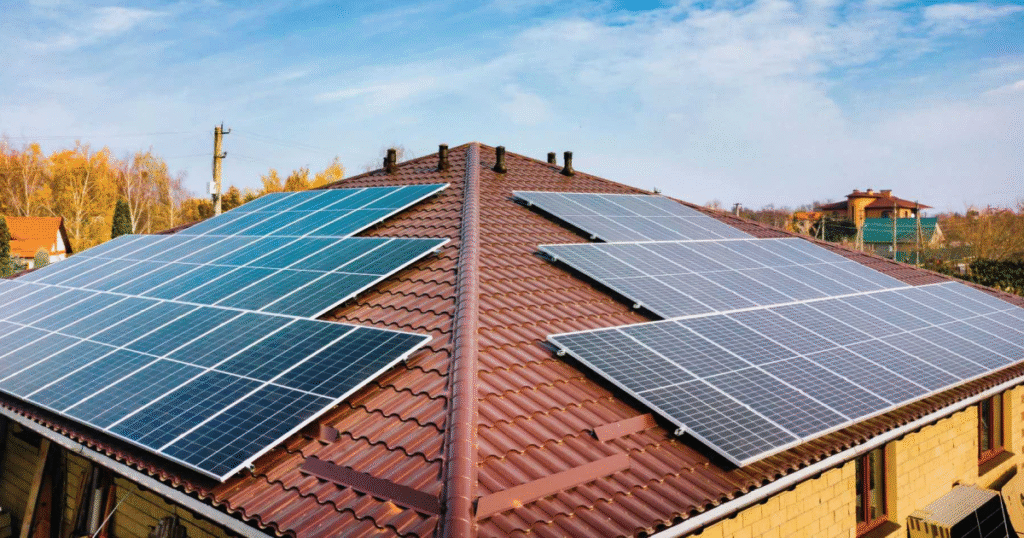
As electricity costs continue to rise, more homeowners and businesses are turning to solar power as a smart long-term investment. Beyond being environmentally friendly, solar energy offers significant financial benefits through reduced power bills and attractive returns on investment (ROI). But the big question remains—how much can you really save with solar power?
Let’s break down the savings, costs, and ROI in a simple, easy-to-understand way.
1. Understanding the Initial Investment
The upfront cost of installing a solar power system depends on factors such as system size, energy consumption, roof type, and equipment quality.
A typical solar installation includes:
Solar panels
Inverter and mounting structures
Installation and wiring
Net metering setup
While the initial cost may seem high, it’s important to view solar as a long-term investment, not an expense.
2. Monthly Electricity Bill Savings
Once installed, solar power significantly reduces your dependence on grid electricity. Most residential systems can cut electricity bills by 50% to 90%, depending on usage and system capacity.
For many users:
Daytime power needs are met by solar
Excess energy is sent back to the grid (net metering)
Credits reduce future electricity bills
Over time, these monthly savings add up substantially.
3. Payback Period: When Do You Break Even?
The payback period is the time it takes for your electricity savings to recover the initial installation cost.
On average:
Residential solar systems break even in 4–6 years
Commercial systems often recover costs even faster
After this period, the electricity you generate is essentially free, increasing your overall savings.
4. Long-Term ROI and Lifetime Savings
Solar panels typically have a lifespan of 25 years or more. Once the system pays for itself, every unit of power generated contributes to pure savings.
Over the system’s lifetime, users can save:
₹10–25 lakhs or more on electricity bills (depending on usage)
Protection against rising electricity tariffs
Consistent energy cost predictability
This makes solar one of the most reliable long-term investments available today.
5. Government Subsidies and Incentives
Government subsidies and tax benefits further improve solar ROI. Residential users may be eligible for subsidies that reduce upfront costs, while commercial installations benefit from depreciation and tax advantages.
These incentives significantly shorten the payback period and increase overall returns.
6. Low Maintenance, High Returns
Solar power systems require minimal maintenance:
Periodic panel cleaning
Occasional system checks
With no fuel costs and low upkeep, operational expenses remain minimal, ensuring stable returns year after year.
7. Additional Benefits Beyond Savings
Apart from financial returns, solar power also offers:
Increased property value
Energy independence
Reduced carbon footprint
Positive brand image for businesses
These added advantages make solar a smart and responsible choice.
Conclusion
Solar power is more than an eco-friendly solution-it’s a financially sound investment. With reduced electricity bills, attractive ROI, government incentives, and long system life, solar energy offers long-term savings that far outweigh the initial cost.
If you’re considering switching to solar, now is the best time to invest and start saving for decades to come.