
Hard Water Damage: The Hidden Effects on Your Home and How to Prevent It
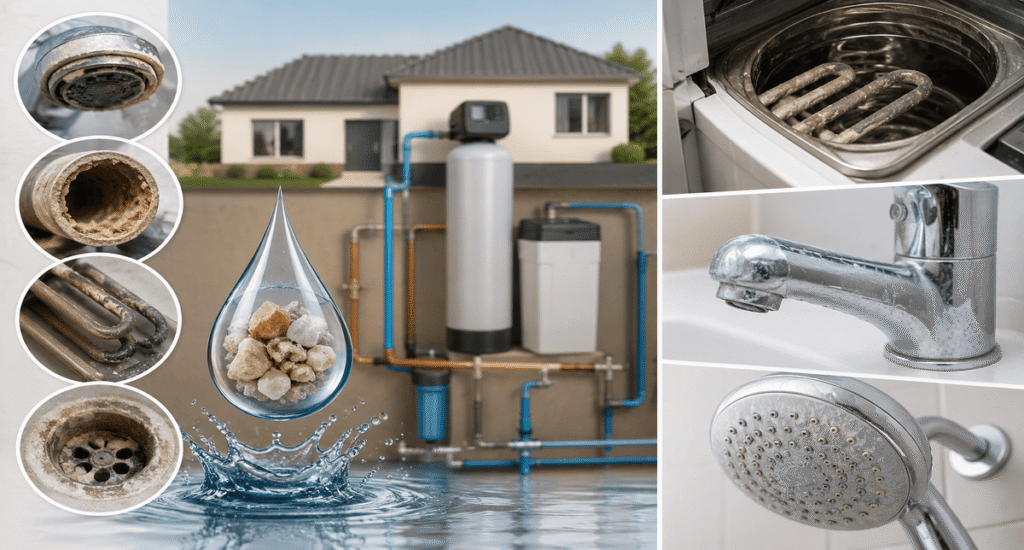
Water is an essential part of everyday life, but not all water is the same. Many homeowners unknowingly deal with hard water, a common issue that can silently damage plumbing systems, appliances, and fixtures over time. While hard water is generally safe for drinking, its high mineral content can create costly problems if left untreated.
At Superior Solar, we understand the importance of maintaining good water quality for a healthier and more efficient home. From reducing appliance lifespan to increasing energy consumption, hard water can have a greater impact than many people realize. Understanding these effects and taking preventive measures can help protect your home and save money in the long run.
What Is Hard Water and Why Does It Matter?
Hard water contains high levels of dissolved minerals, primarily calcium and magnesium. As water moves through soil and rock formations, it naturally picks up these minerals. While they are not harmful to human health, they can create challenges throughout your home.
The biggest concern is mineral buildup. Over time, these deposits accumulate inside pipes, water heaters, faucets, showerheads, and household appliances. This buildup gradually reduces efficiency and can lead to expensive repairs or replacements. Poor water quality caused by excessive mineral content can also affect daily activities such as cleaning, bathing, and laundry.
How Does Hard Water Damage Your Plumbing System?
One of the most significant consequences of hard water is its impact on plumbing systems. Minerals settle inside pipes and create layers of scale buildup. As the deposits continue to grow, water flow becomes restricted.
Common plumbing problems caused by hard water include:
- Reduced water pressure
- Clogged pipes
- Increased plumbing repairs
- Shortened pipe lifespan
- Higher maintenance costs
Regular plumbing maintenance can help identify these issues before they become severe. However, addressing the root cause through proper hard water treatment systems is often the most effective solution.
Why Does Hard Water Reduce Appliance Efficiency?
Many household appliances rely on water to function properly. Unfortunately, hard water minerals can significantly reduce their performance.
Appliances commonly affected include:
- Water heaters
- Dishwashers
- Washing machines
- Coffee makers
- Ice makers
When scale buildup forms inside these appliances, they require more energy to operate. Water heaters are particularly vulnerable because mineral deposits collect on heating elements and tank surfaces.
As a result, homeowners often experience:
- Increased energy bills
- Longer heating times
- Reduced appliance performance
- Frequent breakdowns
- Shorter equipment lifespan
Installing a water softener system installation can help prevent these issues and improve overall efficiency.
Can Hard Water Affect Water Heaters?
Yes, water heaters are among the most affected household systems. As minerals accumulate inside the tank, they create an insulating layer between the heating element and the water. This forces the unit to work harder and consume more energy.
Signs of hard water damage in a water heater include:
- Strange popping or rumbling sounds
- Higher utility bills
- Inconsistent hot water supply
- Reduced water heating efficiency
- Frequent maintenance requirements
Regular inspections and water softener installation can help extend the life of your water heater while improving energy efficiency.
How Does Hard Water Impact Water Quality at Home?
Hard water doesn’t only affect plumbing and appliances. It can also impact the overall experience of using water throughout your home.
You may notice:
- Soap that does not lather properly
- Spots on dishes and glassware
- Dry skin after bathing
- Dull hair
- Stiff or faded clothing after washing
These problems occur because minerals interfere with soap and detergent performance. Improving water quality through proper treatment can make everyday household tasks easier and more effective.
What Are the Warning Signs of Hard Water Damage?
Many homeowners live with hard water for years before recognizing the symptoms. Identifying the signs early can help prevent expensive repairs.
Look for:
- White chalky deposits on faucets
- Soap scum on bathroom surfaces
- Reduced water pressure
- Frequent appliance repairs
- Stained sinks and tubs
- Dry skin and hair
- Increased energy costs
If several of these signs are present, it may be time to explore hard water treatment systems for your home.
How Can Water Softener Installation Help?
A water softener is one of the most effective solutions for managing hard water. It works by removing calcium and magnesium ions before the water enters your home’s plumbing system.
Benefits of water softener installation include:
- Reduced scale buildup
- Improved appliance lifespan
- Better water flow
- Lower energy consumption
- Cleaner dishes and laundry
- Softer skin and hair
- Reduced plumbing maintenance
For many homeowners, investing in a water softener system installation can result in substantial long-term savings.
Which Hard Water Treatment Systems Are Most Effective?
Several hard water treatment systems are available, and the right choice depends on your home’s water conditions and requirements.
Salt-Based Water Softeners
These systems remove hardness minerals through ion exchange and are considered the most effective solution for severe hard water problems.
Salt-Free Water Conditioners
Rather than removing minerals, these systems alter their structure to reduce scale buildup.
Whole-House Water Filtration Systems
Many homeowners combine water filtration with softening systems for comprehensive water quality improvement.
Reverse Osmosis Systems
These systems are excellent for drinking water purification and can remove various contaminants alongside hardness minerals.
A professional water quality assessment can help determine the most suitable option for your home.
Does Water Filtration Solve Hard Water Problems?
Water filtration and water softening serve different purposes. While water filtration removes contaminants such as chlorine, sediment, and certain chemicals, it does not always remove the calcium and magnesium responsible for hard water.
For the best results, many homeowners use both systems together:
- Water filtration improves water quality.
- Water softeners address mineral hardness.
This combination provides cleaner, healthier, and more efficient household water.
How Can You Prevent Hard Water Damage?
Preventing hard water damage is often easier and less expensive than repairing it later.
Here are some practical steps:
Install a Water Softener
A professionally installed water softener helps prevent scale buildup before it starts.
Schedule Regular Plumbing Maintenance
Routine inspections can identify mineral deposits and potential issues early.
Flush Your Water Heater
Periodic flushing helps remove sediment and mineral accumulation.
Clean Fixtures Regularly
Removing deposits from faucets and showerheads improves water flow and appearance.
Monitor Water Quality
Regular water testing can help determine hardness levels and identify changes over time.
Taking these preventive measures can significantly reduce repair costs and improve system performance.
Is Hard Water Bad for Your Home's Energy Efficiency?
Many homeowners are surprised to learn that hard water directly impacts energy efficiency. When mineral deposits accumulate on heating elements and inside pipes, systems require more energy to operate. Even a thin layer of scale can significantly reduce efficiency.
By investing in water softener installation and maintaining good water quality, homeowners can:
- Lower energy consumption
- Reduce utility bills
- Improve appliance performance
- Extend equipment lifespan
This makes hard water treatment systems a smart investment for both comfort and cost savings.
Conclusion
Hard water damage often develops slowly, making it easy to overlook until costly repairs become necessary. From clogged pipes and inefficient water heaters to reduced appliance performance and poor water quality, the effects can impact nearly every part of your home. The good news is that these issues are preventable. Through proper plumbing maintenance, effective hard water treatment systems, and professional water softener installation, homeowners can protect their plumbing, improve energy efficiency, and extend the life of valuable appliances.
At Superior Solar, we are committed to helping homeowners improve water quality and create more efficient, comfortable living environments. Investing in the right water treatment solution today can save significant time, money, and frustration in the future.
Frequently Asked Questions
1. What causes hard water?
Hard water is caused by naturally occurring minerals, mainly calcium and magnesium, dissolving into groundwater as it passes through rocks and soil.
2. Can hard water damage pipes?
Yes. Over time, mineral deposits accumulate inside pipes, reducing water flow and increasing the risk of plumbing problems.
3. Is hard water safe to drink?
Generally, hard water is safe for drinking. However, it can affect taste and create maintenance issues throughout the home.
4. How do I know if I need a water softener?
Common signs include scale buildup, soap scum, dry skin, reduced water pressure, and frequent appliance repairs.
5. How long does a water softener last?
Most quality systems last between 10 and 20 years with proper maintenance.
6. Does a water softener improve appliance lifespan?
Yes. By reducing mineral buildup, a water softener helps appliances operate more efficiently and last longer.