7 Smart Reasons to Choose a Solar Water Heater for Home in Bangalore
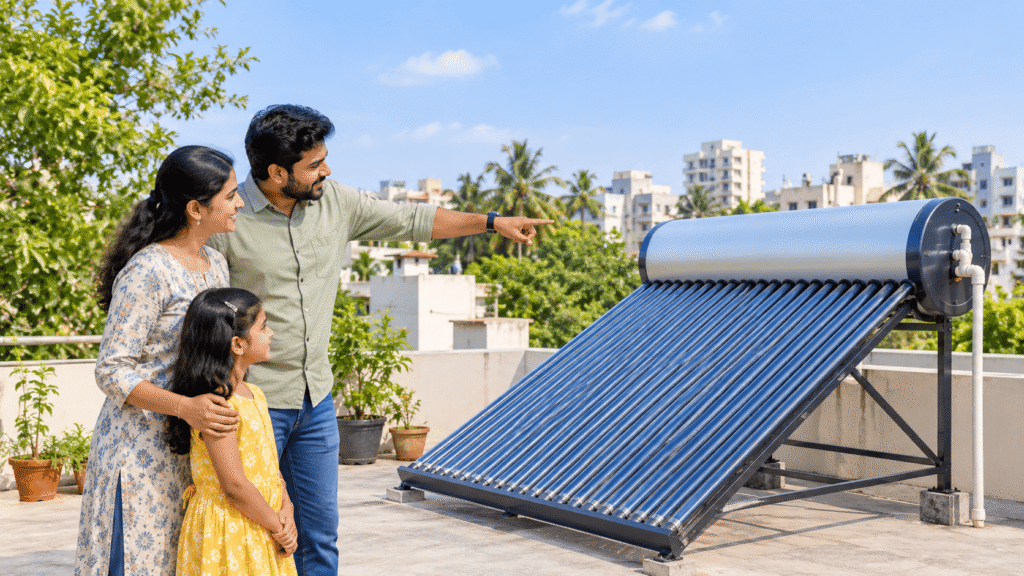
Bangalore homeowners are increasingly looking for practical ways to reduce electricity consumption and make their homes more energy-efficient. One solution gaining attention is a solar water heater for home. It uses sunlight to heat water, helping households reduce their dependence on conventional electric water heaters. With plenty of sunny days throughout the year, Bangalore offers suitable conditions for residential solar water heating. Whether you live in an independent house, villa or apartment, choosing the right solar heater for home can make everyday hot water usage more energy efficient.
Superior Solar, established in 2007, provides solar water heating solutions designed for residential and other everyday requirements. With different capacities available, homeowners can explore options that suit their family size and hot water consumption. So, why are more Bangalore homes considering solar water heating? Let’s explore seven important reasons.
1. Why Are Solar Water Heaters Becoming Popular?
Electric geysers are commonly used in Indian households for bathing, washing and other daily activities. However, heating water regularly with electricity can contribute to household energy consumption. A solar water heating system offers another approach. Instead of depending entirely on electricity, it collects heat from sunlight and uses it to warm water.
There are several reasons homeowners are considering this change:
Reduced electricity consumption: Solar energy handles much of the regular water-heating requirement.
Better energy efficiency: Sunlight is used as a natural source of heat.
Long-term household savings: Lower dependence on electric geysers can help reduce electricity expenses.
Environment-friendly choice: Solar heating uses renewable energy rather than relying entirely on conventional electricity.
As homeowners become more conscious of their energy usage, a solar water heater for home is becoming a practical option for everyday living.
2. Can a Solar Heater for Home Reduce Electricity Bills?
One of the biggest reasons people consider solar water heating is the possibility of reducing electricity expenses. An electric geyser consumes electricity whenever it heats water. In households where several family members use hot water every day, this consumption can add up over time. A solar heater uses sunlight as its primary heat source. Once the water is heated and stored in an insulated tank, it can be used when required.
How does it help reduce electricity usage?
It uses free solar energy to heat water.
It reduces the need to operate electric geysers regularly.
It can support daily hot water requirements with less dependence on grid electricity.
It helps households make better use of available natural resources.
The actual savings depend on the system capacity, sunlight availability, household usage, installation and any electrical backup required. For Bangalore homeowners who regularly use hot water, switching to a suitable solar water system for home can be a worthwhile long-term consideration.
3. Is Bangalore's Climate Suitable for Solar Water Heating?
Yes. Bangalore receives sunlight during much of the year, making solar water heating a suitable option for many residential properties. However, homeowners sometimes wonder whether a solar water heater will work during cloudy days or the monsoon season.
Solar water heaters collect solar radiation to heat water. Their performance depends on the amount of sunlight received, the collector design and the system’s installation. During sunny weather, the system can collect sufficient heat for regular household requirements. During cloudy or rainy periods, heating performance may reduce because less sunlight reaches the collectors.
This is why selecting a suitable system is important.
What should Bangalore homeowners consider?
Choose a location with good sunlight exposure.
Keep the solar collectors free from unnecessary shade.
Select a suitable storage capacity.
Ask about backup heating arrangements if your household needs a consistent hot water supply.
Ensure proper installation and maintenance.
A well-planned solar water heater for home can support everyday hot water requirements while making better use of Bangalore’s available sunlight.
4. How Does a Solar Water Heating System Work?
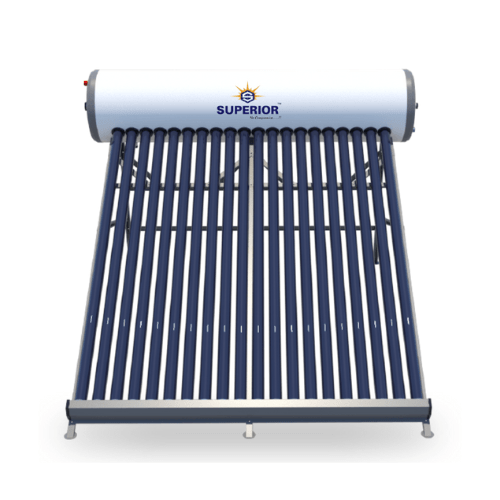
Understanding how the system works makes it easier to choose the right product. A solar water heater mainly consists of solar collectors, connecting pipes and an insulated storage tank. The collectors absorb sunlight and transfer the captured heat to water.
Here is how the process works:
Step 1: Collecting sunlight
Solar collectors installed in an area with good sunlight exposure absorb solar energy.
Step 2: Heating the water
The absorbed heat is transferred to the water flowing through or circulating within the collector system.
Step 3: Storing hot water
The heated water moves into an insulated storage tank. The insulation helps retain its temperature for later use.
Step 4: Using hot water
The stored hot water is supplied to bathrooms and other household outlets whenever required.
5. What Solar Water Heater Capacity Does Your Home Need?
Choosing the right capacity is just as important as selecting the technology. A system that is too small may not provide enough hot water, while an unnecessarily large system may increase the initial investment. The ideal capacity depends on the number of people in your household and how much hot water they use daily.
For example:
Small households: May need a lower-capacity system depending on daily usage.
Medium-sized families: May benefit from a medium-capacity solar water heater.
Large families: May require a higher-capacity system to meet multiple bathing and household requirements.
Independent houses and villas: Can select a system based on the number of bathrooms and regular hot water demand.
Superior Solar offers different residential solar water heater capacities, including:
110 litres
160 litres
210 litres
260 litres
310 litres
510 litres
These options allow homeowners to consider different household requirements. Before purchasing a solar water heater for home, consider your family’s daily consumption rather than choosing a capacity based only on the number of people. It is also helpful to consult an experienced solar water heater company to understand the right capacity, installation requirements and available product options.
6. Is a Solar Water Heater Better Than an Electric Geyser?
Both solar water heaters and electric geysers provide hot water, but they use different energy sources. An electric geyser uses electricity to heat water, while a solar water heater primarily uses sunlight. Understanding their differences can help homeowners decide which system suits their requirements.
Feature | Solar Water Heater | Electric Geyser |
|---|---|---|
Energy source | Sunlight | Electricity |
Running expenses | Generally lower | Depends on electricity consumption |
Initial investment | Usually higher | Usually lower |
Environmental impact | Uses renewable solar energy | Depends on electricity source |
Weather dependency | Performance depends on sunlight | Not dependent on sunlight |
Hot water storage | Available with insulated tank systems | Depends on geyser model |
A solar water heating system can reduce regular electricity usage, particularly in homes with consistent hot water requirements. However, electric geysers offer convenience when sunlight is unavailable or immediate heating is needed. The right choice depends on your household’s budget, available installation space and daily hot water usage. Some homeowners may also prefer a backup heating arrangement to maintain convenience during periods of reduced sunlight.
7. How Do You Choose the Right Solar Water Heater Company in Bangalore?
Choosing a reliable solar water heater company is an important part of the buying process. A good product is only one consideration. You should also understand the available capacities, product specifications, installation requirements and after sales support.
Before purchasing a solar water system for home, consider these factors:
1. Product quality
Check the materials, collector technology, storage tank construction and overall product specifications.
2. Suitable capacity
Choose a model that matches your household’s daily hot water requirements.
3. Installation support
Confirm whether the company provides installation assistance and whether your rooftop or terrace is suitable.
4. Warranty and service
Understand the warranty coverage, maintenance requirements and available service support.
5. Product range
A company offering multiple capacities makes it easier to compare options and select a suitable system.
Why Consider Superior Solar?
Superior Solar has been serving customers since 2007, offering solar water heaters and other home utility products. With a range of solar water heater capacities, the company provides options for different household requirements.
Some reasons homeowners can explore Superior Solar include:
Multiple capacities: Solar water heaters ranging from 110 litres to 510 litres.
Established experience: Serving customers since 2007.
Wide product range: Solar water heaters, electric geysers, water purifiers, kitchen chimneys and other products.
Karnataka-wide service reach: Products and services available across Karnataka.
Customer reach: The company reports serving more than 5 lakh customers.
Purchase convenience: Offers such as free shipping across Karnataka and zero-cost EMI are advertised on its website, subject to applicable terms.
If you are planning to install a solar heater for home, exploring the available models and comparing their capacities can help you make a more informed decision.
What Should You Check Before Installing a Solar Water Heater?
Before making the final purchase, it is useful to evaluate your property and household requirements. A few practical considerations can help you avoid installation problems later.
Available rooftop space: Check whether your terrace or rooftop has sufficient space for the solar collectors and storage tank.
Sunlight exposure: The collectors should receive adequate sunlight without significant shading from nearby buildings, trees or other structures.
Water consumption: Estimate how much hot water your family uses every day.
Plumbing arrangements: Check whether the existing plumbing can support the new solar water heating system.
Maintenance access: Ensure that the installation location allows convenient inspection and cleaning when required.
For apartment residents, it is also important to check building permissions and the availability of suitable common rooftop space. Taking care of these details before installation helps ensure that the solar water heater for home is selected and installed according to the property’s requirements.
Is Switching to Solar Water Heating a Smart Long-Term Decision?
The decision to install a solar water heater is not only about choosing a different appliance. It is also about changing how your household uses energy. For families that regularly consume hot water, solar heating can reduce dependence on electric geysers and make everyday energy consumption more efficient.
Although the initial purchase and installation costs may be higher than those of a conventional electric geyser, the long-term value depends on household usage, electricity tariffs, system performance and maintenance. Bangalore homeowners who have suitable rooftop space and regular hot water requirements can consider this an effective home improvement. With the right capacity, proper installation and a suitable product, solar water heating can become a useful part of an energy-conscious household.
Conclusion
Choosing a solar water heater for home is a practical step towards reducing electricity consumption and making everyday water heating more sustainable. Bangalore’s sunlight availability, growing interest in energy-efficient homes and the need for long-term household savings make solar water heating worth considering. Before making a decision, compare capacities, understand the installation requirements and select a product that matches your family’s needs.
Superior Solar, with its experience since 2007 and range of residential solar water heaters, offers options for homeowners looking to explore solar water heating solutions in Bangalore and across Karnataka. Make a smarter choice for your home by exploring the right solar water heating system with Superior Solar.
Frequently Asked Questions
1. Is a solar water heater suitable for Bangalore homes?
Yes. Bangalore receives sunlight throughout much of the year, making solar water heating suitable for many residential properties. However, performance depends on sunlight exposure, collector type and installation conditions.
2. How much electricity can a solar water heater save?
A solar water heater can reduce the electricity required for regular water heating. The actual savings depend on the system capacity, daily hot water consumption, sunlight availability and electricity usage.
3. Which solar water heater capacity is best for a family?
The right capacity depends on the number of family members and their daily hot water requirements. Superior Solar offers capacities from 110 litres to 510 litres, allowing homeowners to explore different options.
4. Does a solar heater work during the rainy season?
Yes, a solar water heater can still collect available solar radiation during cloudy weather, but its heating performance may decrease. A suitable backup arrangement can help maintain hot water availability when sunlight is limited.
5. How long does a solar water heater last?
The lifespan depends on the collector materials, storage tank quality, water conditions, installation and maintenance. Regular inspection and proper care can help maintain system performance.